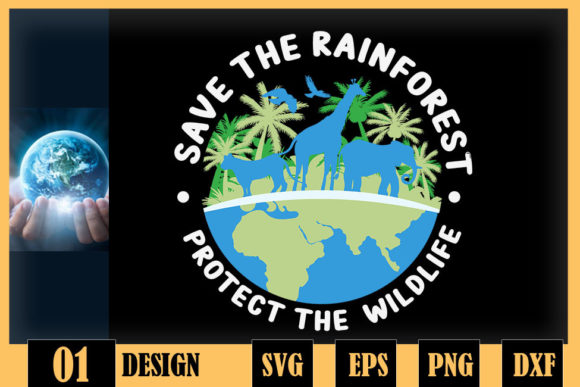
Protect the Wildlife Save the Rainforest Graphics for Crafts
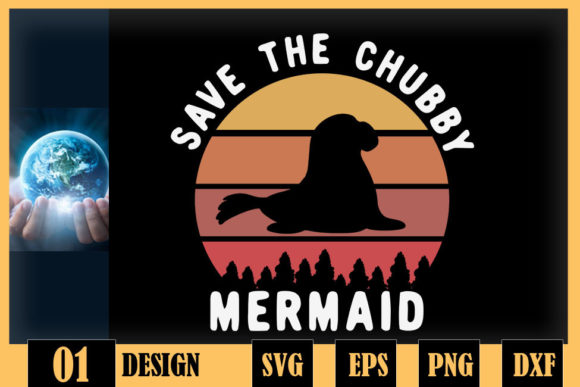
When I first opened the Protect the Wildlife Save the Rainforest file to test it for a client campaign, my immediate reaction was one of clarity. As a brand designer who has spent years refining visual identities for eco-conscious businesses, I look for assets that convey urgency without screaming for attention. This graphic design asset strikes a balance between emotional resonance and professional polish. It creates a mood that is both urgent and hopeful, suggesting that the viewer can be part of a solution rather than just witnessing a problem. The visual tone feels perfectly suited for lifestyle content, handmade product branding, and editorial graphics where authenticity matters more than flashiness.
In a recent project for a small business launching a line of sustainable tote bags, we needed a hero image that could anchor our social media strategy. We were looking for something that would work seamlessly across Instagram posts, Pinterest pins, and digital ads without looking like a generic stock photo. Protect the Wildlife Save the Rainforest offered exactly that. It provided a strong focal point that allowed our copy to breathe while reinforcing the core message of conservation. For brands aiming to build audience trust, this kind of cohesive visual language is essential. It signals that the company cares about the environment in a tangible way, moving beyond vague claims to show, not just tell.
Integrating Design Assets into Real Marketing Workflows
The true value of a design asset lies in its versatility within a real-world marketing workflow. In the context of modern content marketing, creators often juggle multiple platforms, each requiring specific formats and aesthetic adjustments. This digital product excels because it is designed to adapt. Whether you are refreshing your social media visuals or preparing a comprehensive content kit, this illustration serves as a reliable building block.
- Social Media Graphics: The composition works beautifully as an overlay on Instagram stories or as a standalone post image. Its clear lines ensure it remains legible even when placed over busy photography.
- Packaging Design: For small business branding involving physical goods, this element can serve as a decorative accent on product labels or packaging inserts. It adds a layer of storytelling that connects the customer to the mission behind the product.
- Digital Ads: When running Facebook ads or display campaigns, visual hierarchy is critical. This asset helps guide the eye toward the call-to-action, ensuring that the environmental message supports the sales pitch rather than distracting from it.
- Editorial Design: Bloggers and publishers can use this in lead magnets, media kits, or newsletter headers to establish a consistent brand identity throughout their written content.
Elevating Brand Identity with Strategic Visuals
A strong first impression is often the difference between a scroll-past and a click-through. Protect the Wildlife Save the Rainforest contributes significantly to a stronger recognition factor for any brand. By incorporating this into your visual hierarchy, you create a memorable campaign visual that sticks in the mind of the consumer. It transforms a standard promotional piece into a statement of values.
This approach is particularly effective for creative entrepreneurs and online coaches who want to differentiate themselves in a crowded marketplace. When used correctly, these design assets help achieve a professional appearance that elevates the perceived value of the entire brand. It suggests that attention to detail is paramount, which naturally translates to better product presentation and improved audience trust. For those selling digital products or printable designs, having a high-quality source file means you can scale your offerings without compromising on quality.
Strategic Placement and Creative Applications
To get the most out of this SVG design or PNG design, you must understand where it shines brightest. It is ideal for hero graphics on landing pages, campaign headers, and branded templates. If you are creating a bundle of marketing materials, this illustration can act as the unifying theme that ties everything together. It also works exceptionally well as a decorative brand element on merchandise, stickers, and event flyers.
However, a seasoned marketer knows that not every asset fits every layout. There are scenarios where Protect the Wildlife Save the Rainforest should be used carefully. For formal corporate branding, the organic nature of the design might feel too casual unless stylized heavily. Similarly, in dense information layouts or text-heavy ads, adding another visual element can clutter the message and reduce readability. Small mobile graphics require extra scrutiny; if the details are too intricate, they may disappear on a tiny screen. Always preview the asset on mobile devices before finalizing your design.
Furthermore, avoid placing this asset on low-contrast backgrounds where it might lose definition. Brands with an overly minimal aesthetic might find the illustration too detailed, potentially competing with the main message instead of supporting it. In these cases, simplifying the asset or using it as a subtle background texture is a better strategy.
Essential Notes for the Professional Designer
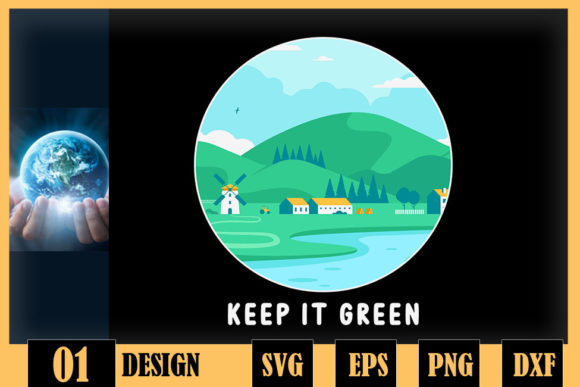
Before deploying this asset in a paid campaign or client work, there are several technical and strategic checks required. First, test it with your existing brand color palette. Does the greenery blend harmoniously, or does it clash? Check how it performs in black and white usage, as many print materials rely on monochrome versions. Place the design inside real campaign mockups to see how it interacts with other elements like typography and whitespace.
Typography pairing is crucial for maintaining visual consistency. I recommend testing this graphic against serif fonts for a classic, editorial look, sans serif fonts for a modern, clean vibe, and script or handwritten fonts for a personal, boutique feel. Compare the spacing and balance to ensure the text and image do not fight for dominance. Reviewing how it pairs with competitor visuals can also provide insights into how to stand out while staying relevant.
Finally, confirm the commercial license before using it in business branding. Understanding the terms of use ensures that you can legally incorporate this clipart or illustration into your commercial design projects without legal hurdles. This due diligence protects your reputation and your bottom line.
Maximizing Potential Across Software Platforms
One of the standout features of this creative design is its compatibility with industry-standard software programs. The flexibility allows designers to manipulate the vector paths in Adobe Illustrator for precise scaling, adjust colors in Corel Draw, or integrate layers in Adobe Photoshop for complex composites. For crafters and small business owners using Cricut Design Space or Silhouette Studio, the precision of the cut files ensures clean results on vinyl, fabric, and paper.
This level of accessibility democratizes high-quality design, allowing anyone from a digital seller to a large publisher to create professional branding materials. Whether you are designing web design elements, digital ads, or physical product labels, the ability to edit and refine the asset makes it a powerful tool in your arsenal. By leveraging these capabilities, you can produce modern design outputs that resonate with your target audience and drive engagement.
In conclusion, Protect the Wildlife Save the Rainforest is more than just a pretty picture; it is a strategic component of a broader marketing plan. When integrated thoughtfully, it enhances brand identity, supports content marketing goals, and fosters a deeper emotional connection with your audience. For those looking to elevate their small business branding or launch a compelling new campaign, this graphic design asset offers the reliability and impact needed to succeed in today's visual landscape.