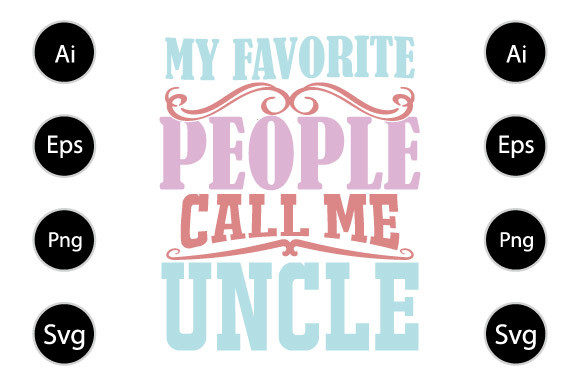
My Favorite People Call Me Uncle Embroidery Review
When I first opened the file for My Favorite People Call Me Uncle, I didn't just see a graphic; I saw a conversation starter. As someone who has spent years reviewing design assets for real-world embroidery projects, my initial reaction is always practical: does this hold up under the needle? Can it survive the stress of stitching on stretchy fabrics or textured materials without losing its charm? This design immediately struck me as having a warm, approachable personality that fits perfectly into the holiday season or a casual family gathering.
The text itself carries a specific mood. It isn't trying to be overly formal or corporate. Instead, it leans into the playful, slightly self-deprecating humor that uncles often embody. For an embroidery designer looking to create custom apparel or personalized gifts, this phrase offers a distinct narrative. It transforms a standard piece of clothing into a statement about family dynamics and affection. Whether you are planning a Christmas gift for a beloved uncle or creating merchandise for a boutique shop, the visual weight of the message suggests a project that needs to feel personal and authentic.
From Digital File to Finished Stitch
Translating a digital vector into a physical embroidered piece requires careful consideration of how the design interacts with fabric. In my experience testing similar files, the success of a project like this often hinges on stitch density and lettering clarity. When I imagine applying My Favorite People Call Me Uncle to a heavy cotton sweatshirt, the fill stitches need enough substance to stand out against the fleece texture. If the design is too delicate, the letters might disappear into the nap of the fabric, especially if the thread color clashes with the garment.
I envision this design performing exceptionally well on structured items where the surface area allows for proper framing. A canvas tote bag is a classic choice here. The sturdy nature of canvas provides a stable base for satin stitch outlines, ensuring the text remains crisp. Similarly, a kitchen towel or a tea towel offers a smooth, woven surface where the contrast between the thread and the fabric can really pop. For these items, the design acts as a centerpiece, elevating a simple household item into a thoughtful, handmade present.
However, not every application is equally straightforward. When considering smaller hoop sizes, such as those used for baby onesies or cap brims, the layout becomes critical. If the text is too wide for a 4x4 hoop, the machine will struggle to frame the entire phrase without excessive trimming or repositioning. In such cases, the design might need to be scaled down, which risks blurring the edges of the letters. For tiny details, running stitches might be more appropriate than dense fills to maintain legibility on small surfaces like a baby's hat or a pocket patch.
Real-World Scenarios and Product Value
Let's look at a specific scenario: preparing a holiday gift for a client who runs a small craft business. They want to offer a limited edition "Uncle" themed line for their Etsy shop. Using My Favorite People Call Me Uncle in this context could drive significant engagement. Customers browsing handmade goods are often looking for unique, emotionally resonant items rather than generic mass-produced goods. This design taps directly into that desire for connection.
Imagine a finished product: a dark navy apron embroidered with white or gold thread featuring the phrase. The contrast creates a professional look that signals quality. The humor in the text invites interaction; when a guest sees the embroidery, they are likely to smile or ask about the meaning behind it. This social element adds value to the product beyond the cost of materials and labor. For an Etsy seller, this translates to better reviews and repeat customers who appreciate the attention to detail.
The versatility of the design also extends to commercial embroidery projects. A local print shop might use this asset to create matching sets for a family reunion or a bachelor party. The ability to adapt the design across different mediums—whether it is a denim jacket, a pillow cover, or a decorative banner—makes it a valuable asset for designers managing multiple client orders. The key is consistency. Ensuring that the stitch pattern looks identical whether it appears on a soft t-shirt or a rigid patch is what separates a hobbyist project from a professional offering.
Navigating Fabric Challenges
While the design has great potential, there are specific scenarios where caution is required. Stretchy fabrics, such as jersey knits used for t-shirts or activewear, demand a robust stabilizer strategy. Without adequate backing, the tension of the embroidery machine can cause the fabric to pucker, distorting the text and ruining the visual appeal of My Favorite People Call Me Uncle. In these instances, using a cut-away stabilizer is essential to maintain the shape of the letters over time.
Dark fabrics present another challenge. If the design relies heavily on light-colored threads, the underlying color of the shirt can sometimes bleed through, especially if the stitch density is low. Designers should test thread colors carefully before committing to a full production run. Additionally, textured fabrics like corduroy or thick wool can hide fine details. On these surfaces, bold lines and simpler shapes work best, whereas intricate flourishes might get lost in the weave of the material.
Practical Notes for the Embroidery Designer
Before you load this file into your machine or add it to your digital product inventory, there are several steps to ensure a successful outcome. First and foremost, always test the design on scrap fabric that matches the final project in both weight and texture. This step reveals issues with thread tension, stabilizer selection, and hooping pressure that you cannot predict from a screen.
Review the stitch density closely. High-density areas can lead to stiff spots on the fabric, which might be uncomfortable on wearable items like hoodies or baby clothes. If the design feels too dense, consider adjusting the settings or selecting a lighter thread weight to soften the finish. Also, inspect the corners of the letters and any curved elements. These are common failure points where the machine might skip stitches or pull the fabric, so verifying the integrity of these areas is crucial.
Licensing is another non-negotiable aspect. Even though this is a digital embroidery file, the terms of use dictate whether you can sell finished products made with the design. Some licenses allow for commercial use on a per-item basis, while others restrict sales entirely. Always read the fine print provided with the My Favorite People Call Me Uncle file to avoid legal complications. Confirming the file formats, such as AI, EPS, PNG, or SVG, ensures compatibility with your software and embroidery machine, preventing wasted time during the setup phase.
Finally, think about the presentation. How will the customer perceive the finished product? A clean, well-executed embroidery job builds trust in your brand. It shows that you care about the quality of the item you are selling or gifting. By taking the time to properly prepare and execute My Favorite People Call Me Uncle, you transform a simple phrase into a cherished keepsake. Whether it ends up on a festive holiday sweater or a practical work apron, the result speaks volumes about the effort put into the creation.
In conclusion, this design offers a strong foundation for creative projects within the Crafts and Graphics categories. Its blend of humor and sentiment makes it a versatile choice for anyone looking to add a personal touch to their embroidery portfolio. With careful planning and attention to technical details, My Favorite People Call Me Uncle can become a standout piece in your collection of handmade products.